Benzotriazole (BTA) and Tolyltriazole (TTA) are two of the most important copper corrosion inhibitors in industry. They are essential in industrial water treatment, metalworking fluids, and automotive chemicals.
Their chemical structures are almost identical, differing by only a single methyl group (-CH3). However, this small difference leads to significant variations in performance, stability, and cost-effectiveness.
This guide provides a clear, side-by-side comparison. It will help engineers and buyers make the optimal, cost-efficient choice for their specific application conditions. Let’s explore the key differences in this benzotriazole vs tolyltriazole analysis.
Chemical Structure and Physical Properties
Benzotriazole (BTA) and Tolyltriazole (TTA) share a very similar core chemical structure. Both belong to the triazole class, featuring a fused benzene and triazole ring.
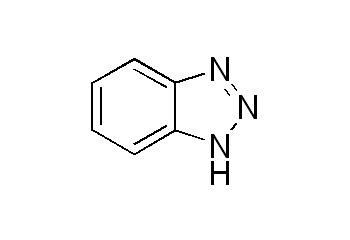
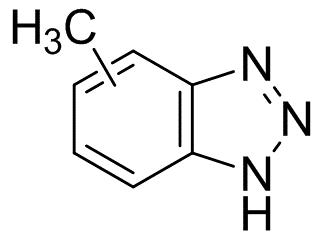
The key difference is a single methyl group (-CH3) attached to the benzene ring in TTA. This small structural change is the root cause of their differing physicochemical properties and performance.
The table below summarizes their key physical and chemical characteristics:
| Property | Benzotriazole (BTA) | Tolyltriazole (TTA) |
| Molecular Formula | C₆H₅N₃ | C₇H₇N₃ |
| CAS Number | 95-14-7 | 29385-43-1 |
| Appearance | White needle-shape crystalloids, white granule or white colum | Light yellow to off-white granules/powder |
| Melting Point | > 96 °C | 80 – 90 °C |
| Density | ~1.3 g/cm³ | ~1.3 g/cm³ |
| pH (1% solution) | 5.0 – 6.0 | 5.0 – 6.0 |
The most notable difference is the melting point. TTA’s lower melting point (80-90°C) compared to BTA’s (>96°C) is a direct result of the added methyl group. This property gives TTA a significant advantage in non-aqueous applications.
For example, in automotive antifreeze formulations (ethylene glycol-based), TTA dissolves and blends more easily, ensuring a homogeneous and effective corrosion protection mixture.
In summary, the presence of the methyl group in the TTA molecular formula slightly alters its physical behavior. This foundational difference in structure and basic properties sets the stage for the more pronounced performance gaps in corrosion inhibition, stability, and application suitability discussed next.
Corrosion Inhibition Mechanism and Performance Comparison
BTA and TTA work in a similar core way, but TTA’s slight structural advantage leads to significantly better real-world performance.
The Common Mechanism: Forming a Protective Film
Both chemicals are excellent copper corrosion inhibitors. They work by reacting with copper ions on a metal surface. This reaction forms a strong, insoluble polymer complex (like Cu(I)-BTA or Cu(I)-TTA).
This complex adsorbs onto the metal, creating a thin, invisible protective film. This film acts as a barrier. It physically blocks water, oxygen, and other corrosive agents from contacting the metal surface.
Why TTA Generally Performs Better: The Methyl Group Advantage
The key to TTA’s superior performance lies in its structure. The methyl group (-CH3) on the TTA molecule is an electron-donating group. It increases the electron density on the nitrogen atoms of the triazole ring. This makes the nitrogen atoms more capable of forming strong coordination bonds with copper.
Result: The protective film formed by TTA is typically denser, more stable, and more adherent than the film formed by BTA. This foundational difference explains TTA’s advantages in critical performance areas.
Key Performance Metrics: TTA vs. BTA
- Dosage Efficiency
To achieve the same level of protection (e.g., 95% corrosion inhibition), TTA often requires a lower dosage than BTA. This is especially true in non-neutral pH conditions.
Example Data: Dosage needed for ≥95% efficiency
| pH Condition | Tolyltriazole (TTA) | Benzotriazole (BTA) |
| Acidic (pH 3) | ~50 ppm | ~100 ppm |
| Neutral (pH 7) | ~10 ppm | ~10 ppm |
| Alkaline (pH 10) | ~10 ppm | ~25 ppm |
2. Multi-Metal System Protection
In systems with mixed metals (copper, steel, aluminum, cast iron), TTA provides more comprehensive protection. It results in significantly lower weight loss for all metals, helping to prevent galvanic corrosion.
3. Thermal Stability
In high-temperature applications like automotive antifreeze, TTA degrades much slower than BTA. This thermal stability means it maintains its protective concentration over the long term, extending service life.
4. Chlorine Resistance
In water treatment systems where chlorine-based biocides are used, TTA’s film is more resilient. It maintains a higher chlorine resistance, whereas chlorine can more easily break down the BTA-based film, reducing its effectiveness.
In summary, TTA’s molecular structure translates into a more robust and durable protective film. This leads to tangible benefits: lower required dosage, better protection in multi-metal systems, superior thermal stability, and stronger chlorine resistance.
The next question is: how do these performance differences guide the choice between BTA and TTA for your specific application?
BTA vs. TTA: Application Selection Guide
Choose Benzotriazole (BTA) for these applications:
- Water-based coatings and inks that require excellent solubility.
- Mild, closed-loop cooling water systems with stable, non-aggressive conditions.
- Cost-sensitive projects where temporary protection is sufficient.
- Simple water treatment formulations operating in a neutral pH range.
Choose Tolyltriazole (TTA) for these demanding applications:
- Industrial cooling water with high chlorine levels or fluctuating pH.
- Automotive antifreeze and brake fluids for long-life, high-temperature stability.
- High-performance metalworking fluids and lubricants needing extended service life.
- Multi-metal systems containing copper, aluminum, and steel.
- Any harsh environment where maximum reliability and durability are critical.
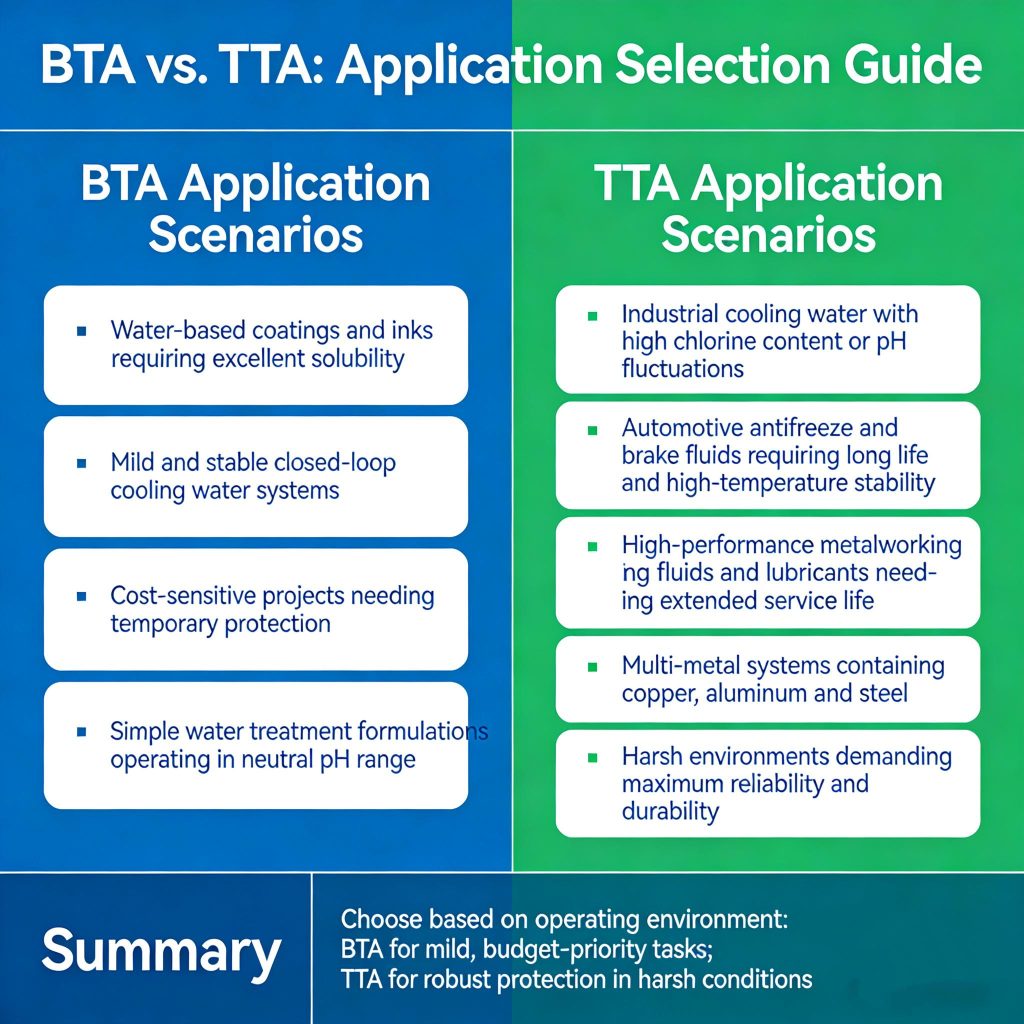
In summary, let your operating environment dictate the choice. Select BTA for milder, budget-focused tasks. Opt for TTA to ensure robust protection in challenging conditions. The right selection balances performance with total cost. To make the best decision, a clear analysis of your specific system parameters is essential.
How to Choose the Right Corrosion Inhibitor for Your Project
Follow this simple, five-step decision framework to select the best product for your needs.
Step 1: Evaluate Your Operating Conditions
Analyze your system’s key parameters. What is the pH range? What are the minimum and maximum operating temperatures? Is chlorine or other oxidant present? Does the system contain multiple metals like copper, aluminum, and steel?
Step 2: Define Your Primary Need
Clarify your main priority. Is it achieving the lowest initial purchase price? Or is it minimizing long-term Total Cost of Ownership (TCO) by ensuring reliability, reducing downtime, and extending chemical treatment intervals?
Step 3: Check Regulations and Compatibility
Consider any special requirements. Are there specific environmental or food-contact regulations for your application? Does the inhibitor need to be compatible with other chemicals in your formulation or process?
Step 4: Make Your Preliminary Selection
Based on your answers, lean towards BTA or TTA. For mild, low-cost applications, BTA may be suitable. For harsh conditions, multi-metal systems, or where long-term stability is critical, TTA is likely the better choice.
Step 5: Consult a Technical Expert
This is the most important step. Partner with a specialist manufacturer like HOO CHEMTEC. Our experts can review your specific data, provide customized advice, and often supply samples for testing. This collaboration ensures you get a solution perfectly matched to your process, not just a standard product.
The right choice comes from a clear analysis of your system and needs, followed by expert validation. By partnering with a knowledgeable supplier, you turn a simple purchase into a strategic investment in your system’s performance and longevity.
Conclusion
Tolyltriazole (TTA) generally offers superior performance. Its methyl group provides better corrosion inhibition efficiency, higher thermal stability, and stronger chlorine resistance compared to Benzotriazole (BTA). This makes TTA the optimal solution for demanding industrial environments.
Benzotriazole (BTA) remains a valuable choice. It is well-suited for cost-sensitive applications or where excellent water solubility in mild conditions is the primary requirement.
Ultimately, your choice is more than selecting a chemical. It is about choosing a reliable partner for your supply chain and technical support. As a professional manufacturer, HOO CHEMTEC provides more than high-purity, consistent-grade products. We offer application-specific selection guidance and formulation support tailored to your unique process challenges.We invite you to contact HOO CHEMTEC today. Let us help you develop the most effective corrosion inhibitor strategy. Request a product specification, a technical data sheet, or a sample to test in your own system.
FAQ
From a testing perspective, how can we quickly evaluate if TTA is truly better than BTA in our specific system?
Conduct a simple side-by-side coupon immersion test. Place identical metal coupons (copper, steel, aluminum) in your actual process fluid, with each sample dosed with BTA and TTA at recommended levels. Monitor weight loss and visual corrosion over 1-2 weeks.
Can BTA and TTA be blended together for a synergistic effect?
Yes, blends are common in some formulated products. The combination can sometimes offer a balanced cost-performance profile and broader spectrum protection. A specialist like HOO CHEMTEC can advise on optimal blend ratios for your target performance.
We need a very high-purity grade for an electronics application. Can you supply that?
Absolutely. As a manufacturer, we can provide both BTA and TTA in various purity grades tailored to specific industry requirements, including high-purity standards for sensitive applications like electronics cleaning or advanced coatings.