
Flocculant Water Treatment

Types of Flocculants

flocculants used in water treatment

Poly Sodium-P-Styrenesulfonate

CAS No.: 25704-18-1

Purity: 20–30% active (aqueous solution)

Ion type: Strong anionic polyelectrolyte

Polyacrylamide

CAS No.: 9003-05-8

Purity: Solid content ≥ 90%(powder / granular/ emulsion)

Ion types: Anionic / Cationic / Nonionic

Polyacrylic Acid

CAS No.: 9003-01-4

Purity: 30–50% active (aqueous solution)

Ion types: Anionic 
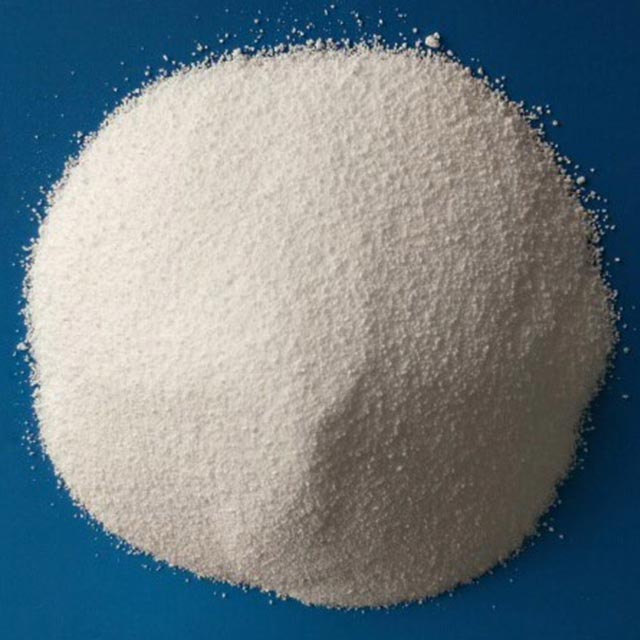
Polyethylene Oxide

CAS No.: 25322-68-3

Molecular Weight:4-7 million

Ion type: Nonionic

Sodium Polyacrylate

CAS No.: 9003-04-7

Purity (%): Liquid ≥50%, Solid≥92%

Ion types: Anionic 

 
Poly Dimethyl Diallyl Ammonium Chloride

CAS No.: 26062-79-3

Purity (%): Liquid Solid Content 20%-50%

Ion type: Cationic, very high charge density

 
Polyamine

CAS Number: 42751-79-1

Purity (%): 49%-51% active content

Ion type: Cationic

What is Flocculant?

A flocculant is a chemical used to make suspended particles in a liquid come together and form larger clumps called flocs. It helps in separating solids from liquids more easily, particularly in water and wastewater treatment processes.

Flocculants are commonly employed in processes such as water treatment, wastewater treatment, mining, and industrial processes where the separation of solids from liquids is necessary. By causing the smaller particles to come together and form larger flocs, flocculants aid in the clarification, thickening, or dewatering of the liquid.

flocculant-water-treatment

What does Flocculant Do

Flocculants are substances that promote the aggregation of suspended particles in a liquid, causing them to form larger clusters called flocs. These flocs are easier to separate from the liquid, allowing for improved solid-liquid separation processes.

When added to a mixture, flocculants create bridges or bonds between particles, causing them to come together and form larger, heavier aggregates. This process is known as flocculation. The larger flocs settle more rapidly under gravity or can be more easily filtered or separated using mechanical methods like centrifugation or sedimentation.

Flocculants are commonly used in various industries and applications, such as water treatment, wastewater treatment, mining, and industrial processes. They help in the clarification of water, removal of suspended solids, separation of impurities, and dewatering of sludge or waste materials.

Flocculant Applications in Wastewater Treatment


Municipal Wastewater Treatment

HOOCHEMTEC flocculants aggregate solids, oils, and organics in municipal sewage, removing >90% COD/SS. They pair with PAC for fast-settling flocs, ensuring discharge compliance in urban plants and textile/food/chemical factories.

Mining & Mineral Processing

HOOCHEMTEC flocculants boost solid-liquid separation in mining tailings, achieving 95% water recycling. Cationic types cut sedimentation time 30% and costs 20% for coal/gold/copper slurries, enhancing filter press dewatering.

Papermaking Wastewater

HOOCHEMTEC flocculants clarify fibers/fillers in papermaking effluent for white water recovery. Anionic PAM optimizes machine retention/drainage, cuts chemical use, and meets industry regs for cleaner recycling.

Oil & Gas / EOR

HOOCHEMTEC high-MW flocculants separate oil emulsions in produced water for safe reinjection. HPAM boosts EOR sweep efficiency via viscosity, enduring high salinity/heat in shale/offshore operations.

Advantages of Flocculant

  1. Improved solid-liquid separation by aiding the settling or separation of suspended particles.
  2. Enhanced water clarification by causing particles to clump together and improve water quality.
  3. Increased efficiency in dewatering processes, reducing moisture content in solids.
  4. Reduction of pollution and environmental impact by removing pollutants from wastewater.
  5. Cost savings through improved process efficiency and waste volume reduction.
  6. Versatile application across industries for various solid-liquid separation challenges.

How to Choose Right Flocculant

Product NameCharge TypeMain ApplicationsAdvantagesLimitations
Polyacrylamide (PAM)Cationic/Anionic/NonionicMunicipal sewage, mining tailingsStrong bridging, large flocsRequires matching charge degree, high molecular weight shear-sensitive
PolyamineCationicPapermaking wastewater, textile dyeingFast charge neutralization, good decolorizationpH sensitive
Polyacrylic AcidAnionicIndustrial cooling waterScale inhibition and flocculationAverage effect in low turbidity water
Polyethylene Oxide (PEO)NonionicHigh molecular weight wastewaterUltra-high molecular weight, extremely fast flocculationHigh cost, difficult storage
Poly Sodium-P-Styrenesulfonate (PSS)AnionicHigh salinity water treatmentSalt and alkali resistantWeak bridging
Poly DADMACCationicDrinking water, oilfield wastewaterWide pH range (0.5-14), sterilization and decolorization, low dosageLow floc density
Sodium PolyacrylateAnionicSludge dewateringStrong water absorption, highly solubleSuitable for low solids load
 

FAQs of Flocculant

Choose based on wastewater pH, suspended solids (organic/inorganic), and goals (clarification/dewatering): cationic for organics, anionic for minerals. JAR testing on your sample confirms the best match.

Yes, all come with OSHA/GHS-compliant SDS, COA, and TDS—download from product pages or request via inquiry.


 High MW (15M+) for fast settling in high-solids wastewater; low MW (5-10M) for quick dispersion in low-turbidity water. Use our comparison table for COD/SS removal and cost—HOOCHEM covers all ranges.

All HOOCHEMTEC products are ISO9001 certified with COA/MSDS and batch traceability. MOQ 1kg for trials, backed by 25+ years and 5,000 MT annual capacity.

Email enquiry@hoochemtec.com with water specs—we ship free samples + jar test guidance within 7 days. 24h response, scale up after validation.

Why Choose HOOCHEMTEC as Your Flocculant Supplier?

HOO CHEMTEC flocculants enhance water clarification, sedimentation, and sludge dewatering via charge neutralization and bridging. We combine ionic types and molecular weights—from PAM and PolyDADMAC to specialty polyelectrolytes—for cost-effective, tailored solutions matching your water quality and processes.

Key Strengths:

  • Broad Portfolio: PAM, PolyDADMAC, Polyamine, PEO in anionic/cationic/non-ionic types across molecular weights for diverse water/process needs.
  • Full Compliance Docs: OSHA/GHS-compliant SDS, COA, TDS; NSF/EPA-certified options ideal for North America.
  • Expert Support: Free chemical selection, pilot testing, and dosing guidance based on your water analysis.
  • Flexible Logistics: 25kg bags to bulk; DOT-compliant hazmat shipping; small orders with nationwide delivery.
  • Customization: Blended formulas or adjusted ionicity/molecular weight to speed R&D to production.

Send Your Inquiry Today