Calcium carbonate is a chemical compound with the formula CaCO3. It is a common naturally occurring mineral and is the main component of various types of rocks like limestone, marble, and chalk. It is also found in the shells of marine animals like clams, oysters, and snails. Calcium carbonate is used in various industries, including construction, paper, plastics, and pharmaceuticals. It is also commonly used as a dietary supplement to provide calcium for bone health.
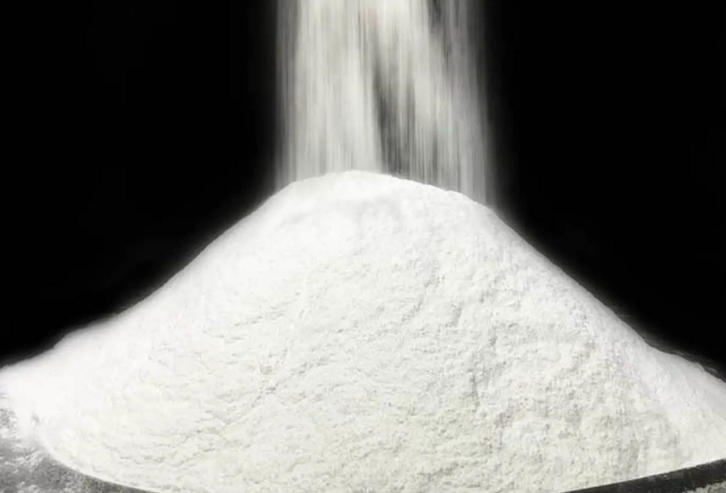
The main difference between heavy calcium carbonate (HCC) and light calcium carbonate (LCC):
Heavy Calcium Carbonate (HCC) and Light Calcium Carbonate (LCC) are different in terms of particle size and density. The main difference lies in their method of production, particle size, and purity.
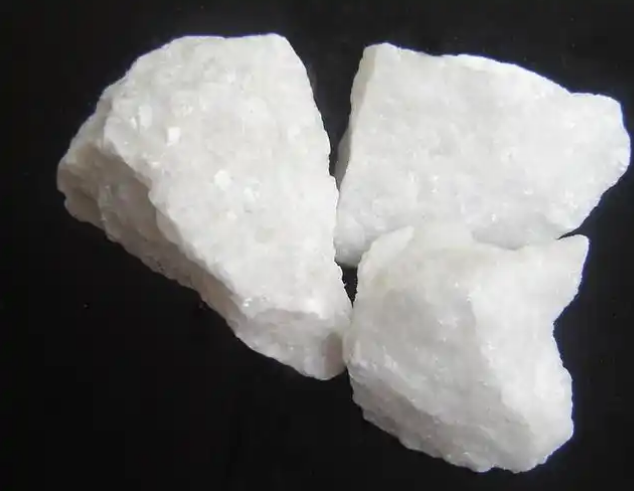
HCC has a higher density and larger particle size as it is produced through a precipitation process. It is also known as ground calcium carbonate (GCC). HCC has a purity of around 98-99% and is used in various applications such as paper, plastic, paint, and adhesive industries. It is also used in the production of calcium supplements, animal feed, and as a neutralizing agent in wastewater treatment.
On the other hand, LCC is produced through a carbonation process, which leads to lower density and smaller particle size. It is also known as precipitated calcium carbonate (PCC) and has a purity level of around 99%. The LCC particles have a more porous and fine structure, making it more easily dispersible in water. LCC is commonly used in industries such as food, pharmaceuticals, cosmetics, and oral care, where particle size and purity play a crucial role. It is used in antacids, toothpaste, and as a calcium supplement.
In summary, HCC is more commonly used in applications that require higher density, opacity, and whiteness, while LCC is preferred in applications that require smaller particle size, high purity, and easy dispersibility.
If you have any purchase requirements, please contact us.www.hoochemtec.com.